

Spore surface proteins of Brevibacillus laterosporus are involved in insect pathogenesis
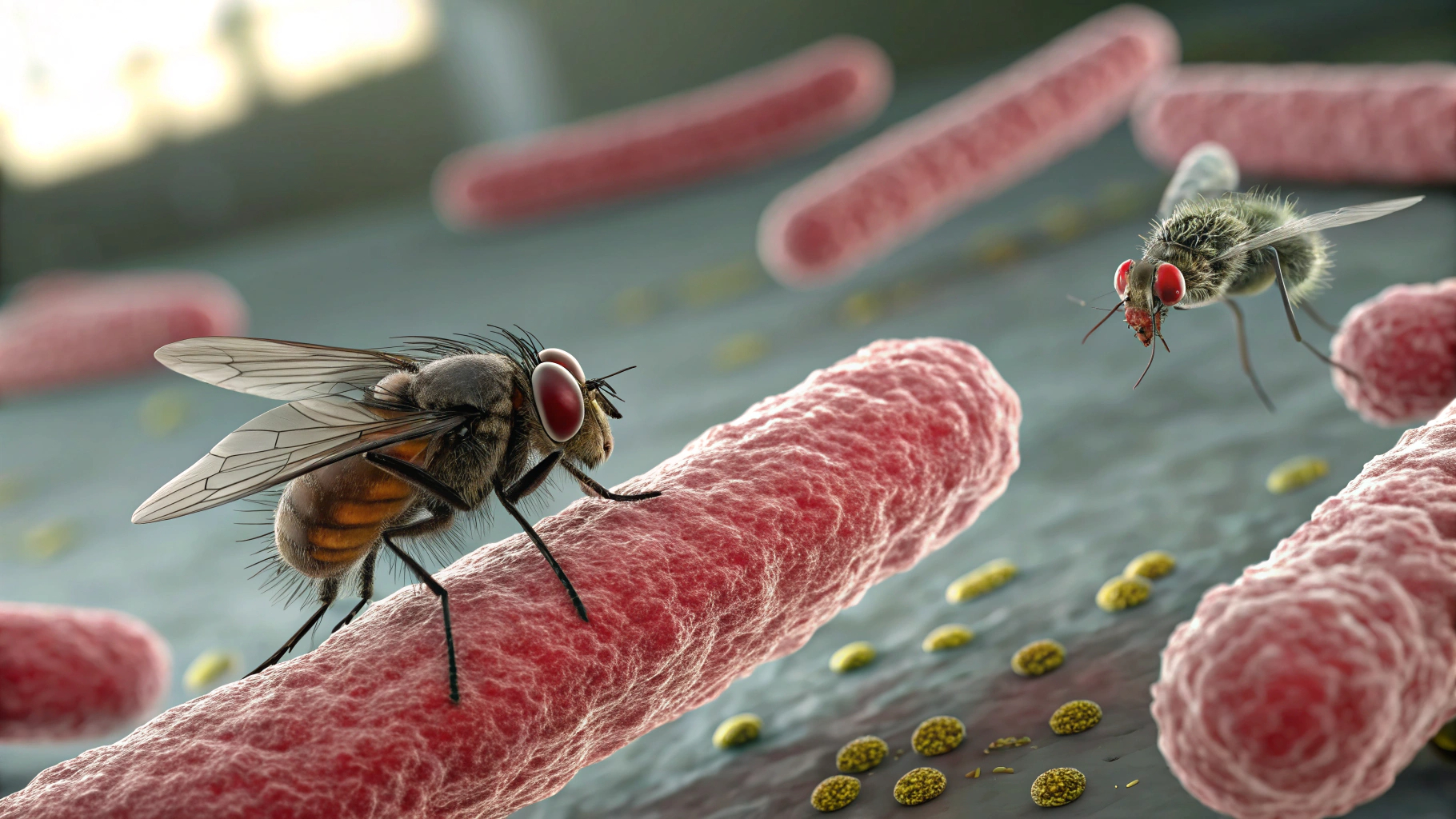
A study published in Scientific Reports by researchers from the University of Sassari investigated how spore surface proteins of Brevibacillus laterosporus contribute to its ability to infect and kill insects .
This bacterium, known for its antimicrobial properties and effectiveness against invertebrate pests, produces a unique spore coat and canoe-shaped parasporal body (SC-CSPB) structure surrounding its spores. Using proteomic analysis and bioassays with house flies, the researchers identified four key proteins – ExsC, CHRD, CpbA, and CpbB – that function as insect virulence factors.
The study found that virulence increases during bacterial sporulation, reaching its peak when spores are fully formed. Among the identified proteins, CpbA showed the strongest association with insect mortality and was expressed at higher levels during sporulation. These proteins appear to work together as part of a larger system of toxins and virulence factors that enable B. laterosporus to infect its insect hosts effectively .
Understanding the role of these spore proteins provides valuable insight into how bacterial pathogens evolve to overcome insect immune defenses – knowledge that could support the development of natural biocontrol strategies in agriculture.