

Effects of an Ascophyllum nodosum seaweed extract application dose and method on growth, fruit yield, quality, and water productivity of tomato under water-deficit stress
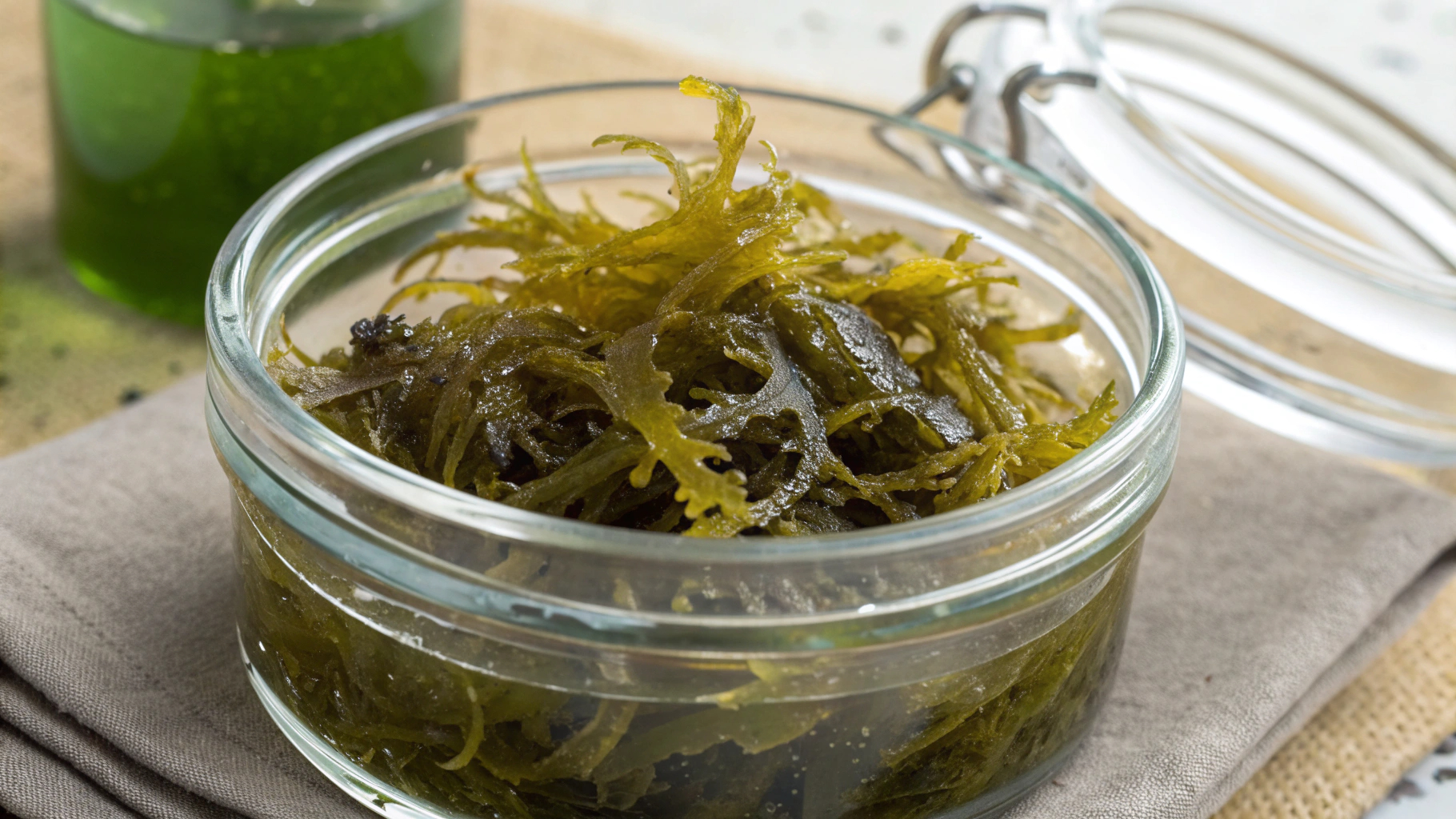
A recent study evaluated how Ascophyllum nodosum seaweed extract (ASE) can help tomato plants perform better under drought conditions. Researchers tested both soil drench and foliar spray applications of a commercial ASE formulation (Amino Seaweed, SV Group, Thailand) at different doses to determine the most effective method and concentration.
Tomatoes exposed to water stress showed significant yield losses and physiological strain. However, when treated with ASE at 5 mL L⁻¹, plants demonstrated remarkable improvements in growth, fruit yield, and water productivity across all soil moisture levels.
The soil drench method proved to be more effective than foliar spraying. At 50% field capacity, soil-drenched plants produced 225% more fruit compared to untreated controls, while foliar-treated plants still achieved a 271% increase in yield. Notably, water productivity was maximized at this same concentration, indicating that 5 mL L⁻¹ is an optimum dose for both application methods.
In addition to boosting yield, the treatment improved plant physiological and biochemical traits such as leaf water content, fruit quality, and stress tolerance. The results suggest that applying ASE as a soil drench at 5 mL L⁻¹ is the most efficient approach for enhancing tomato production under moderate drought stress.