
Gibberellin Treatment toward off-crop season as a practical tool to increase yield in “Orri” Mandarin

A 2025 study published in HortScience by researchers from the Volcani Center and the Hebrew University of Jerusalem examined how mild gibberellin (GA₃) applications can help reduce yield fluctuations in ‘Orri’ mandarin trees that naturally experience alternating high and low crop years .

‘Orri’ mandarins are known for their nonregular bearing pattern, producing heavy fruit loads in one season (on-crop) followed by low yields the next (off-crop). To test whether controlled gibberellin treatments could improve productivity during low-bearing years, researchers applied low concentrations of GA₃ (25–50 ppm) once or twice during the winter flowering induction period.

The results were clear: trees treated with 25 ppm GA₃ twice in December produced about 40% more fruit and higher total yield during off-crop years compared to untreated trees. These increases were linked to a higher number of mixed-type inflorescences—flowering structures that bear both leaves and flowers, which play a key role in fruit production. In contrast, no yield effect was seen during on-crop years, suggesting that the treatment mainly benefits trees recovering from a heavy season.

The researchers concluded that low-frequency, low-dose gibberellin applications during winter can serve as a practical management tool to enhance fruit set and reduce alternate bearing in ‘Orri’ mandarins. This approach offers a promising, cost-effective way to improve yield stability and orchard profitability.
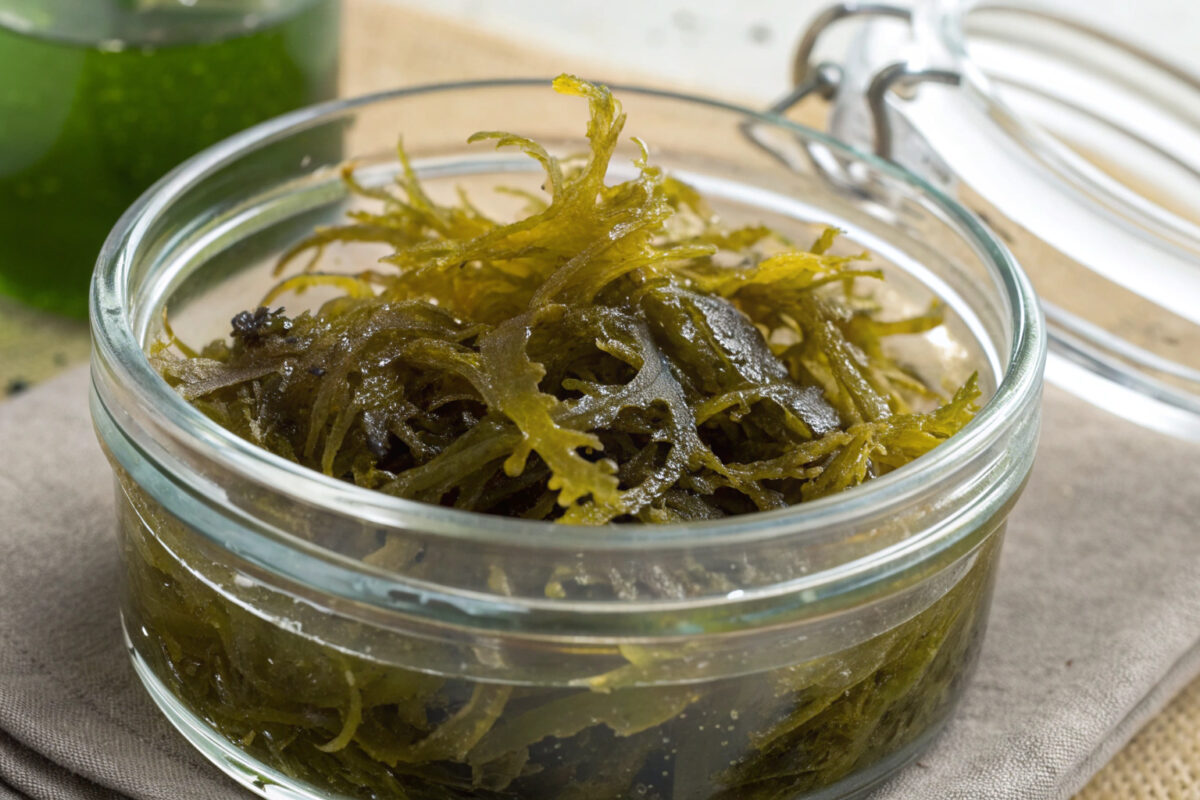
Seaweed Extract Stimulates Beneficial Root Fungi for Stronger Plant Growth

Alkaline extract of the seaweed Ascophyllum nodosum stimulates arbuscular mycorrhizal fungi and their endomycorrhization of plant roots

A 2021 study published in Scientific Reports by researchers from Dalhousie University and Acadian Plant Health investigated how an alkaline extract of the brown seaweed Ascophyllum nodosum (ANE) supports the development of arbuscular mycorrhizal fungi (AMF) and enhances their colonization of plant roots .

Mycorrhizal fungi form symbiotic relationships with over 80% of land plants, extending root surface area and improving nutrient uptake, soil structure, and stress tolerance. In this study, the researchers examined both the direct effects of ANE on the AMF species Rhizophagus irregularis and its indirect effects on mycorrhization in Medicago truncatula, a model legume plant.

The results showed that ANE significantly stimulated AMF spore germination, germ tube elongation, and hyphal branching, with the strongest effect observed at low concentrations (0.1 g/L). In greenhouse trials, plants treated with ANE as a soil drench developed mycorrhizal associations 3.1 times faster and had 29% greater leaf area than untreated controls. Foliar applications also increased fungal colonization and gene activity linked to symbiosis, though they did not enhance plant size to the same extent .

At the molecular level, ANE-treated plants showed early upregulation of key genes responsible for fungal accommodation, including ENOD11, DMI2, DMI3, IPD3, and VAPYRIN. This suggests that ANE not only promotes fungal growth directly but also primes the plant’s internal signaling systems to welcome beneficial microbes.

The study concludes that aqueous alkaline extracts of A. nodosum can accelerate and strengthen plant–fungus symbiosis, offering farmers an additional biological tool to improve soil health, nutrient efficiency, and resilience in sustainable agriculture.

Seaweed Extract Boosts Yields Under Drought Stress

Effects of an Ascophyllum nodosum seaweed extract application dose and method on growth, fruit yield, quality, and water productivity of tomato under water-deficit stress

A recent study evaluated how Ascophyllum nodosum seaweed extract (ASE) can help tomato plants perform better under drought conditions. Researchers tested both soil drench and foliar spray applications of a commercial ASE formulation (Amino Seaweed, SV Group, Thailand) at different doses to determine the most effective method and concentration.

Tomatoes exposed to water stress showed significant yield losses and physiological strain. However, when treated with ASE at 5 mL L⁻¹, plants demonstrated remarkable improvements in growth, fruit yield, and water productivity across all soil moisture levels.

The soil drench method proved to be more effective than foliar spraying. At 50% field capacity, soil-drenched plants produced 225% more fruit compared to untreated controls, while foliar-treated plants still achieved a 271% increase in yield. Notably, water productivity was maximized at this same concentration, indicating that 5 mL L⁻¹ is an optimum dose for both application methods.

In addition to boosting yield, the treatment improved plant physiological and biochemical traits such as leaf water content, fruit quality, and stress tolerance. The results suggest that applying ASE as a soil drench at 5 mL L⁻¹ is the most efficient approach for enhancing tomato production under moderate drought stress.

Eco-friendly Control of Sweet Potato Stem Nematode Using Beneficial Microbes

Effects of Paecilomyces lilacinus and Bacillus pumilus on stem nematode and rhizosphere bacterial communities of sweet potato

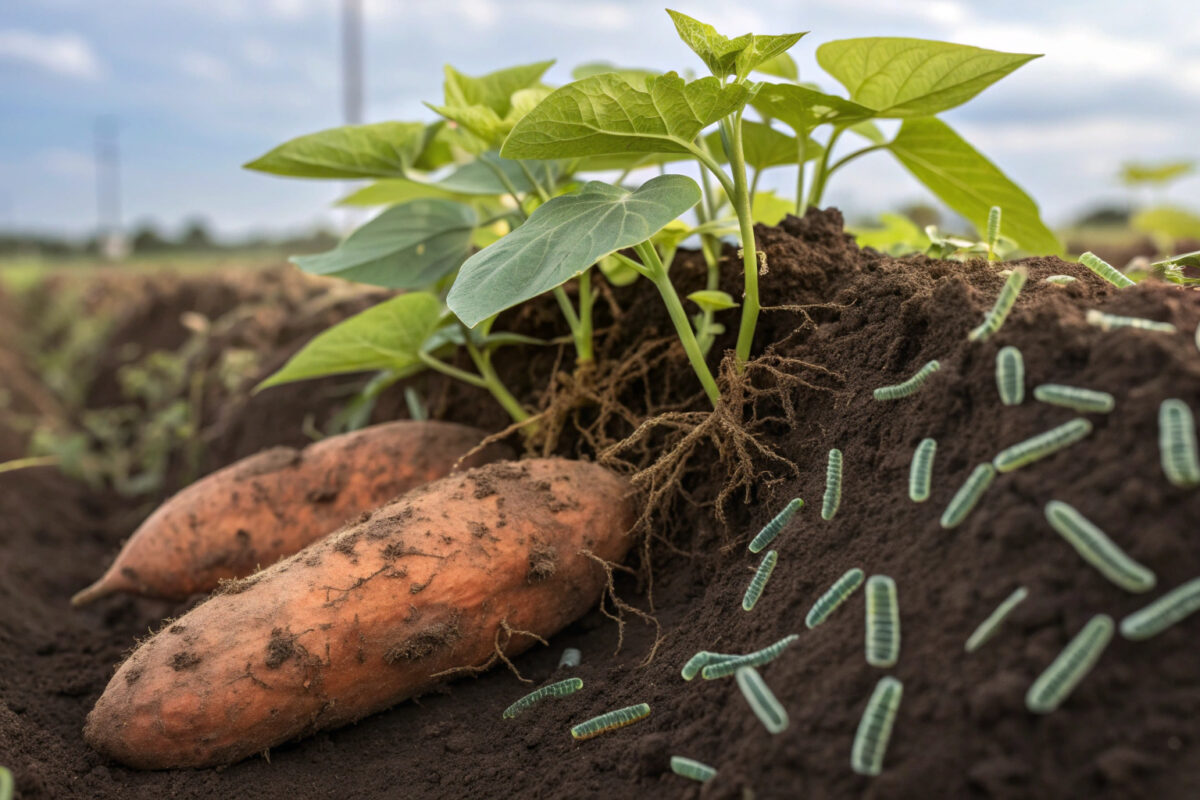
A 2024 study published in Scientific Reports by researchers from Hebei Normal University of Science and Technology and the Beijing Academy of Agriculture and Forestry Sciences examined how Paecilomyces lilacinus CS-Z and Bacillus pumilus Y-26 can control stem nematode (Ditylenchus destructor) infections in sweet potatoes while improving soil health .

Stem nematode is one of the most destructive pests in sweet potato production, causing yield losses of up to 50%. While chemical nematicides like fosthiazate are effective, they pose risks to soil ecosystems. This study investigated biological control alternatives using naturally occurring microbes.

In greenhouse trials, both P. lilacinus CS-Z and B. pumilus Y-26 achieved over 82% suppression of stem nematodes, matching the efficacy of chemical controls. Treated plants also showed stronger vine growth, higher root biomass, and reduced disease incidence compared to untreated controls.

Microbial analysis revealed that these treatments not only reduced nematode populations but also enriched beneficial bacterial communities in the rhizosphere. Populations of Actinobacteria, Bacillus, Streptomyces, Crossiella, and Gaiella increased, while harmful groups like Pseudarthrobacter decreased. The enhanced bacterial diversity supports improved nutrient cycling, plant resilience, and long-term soil health.

The researchers concluded that applying P. lilacinus and B. pumilus offers an effective, environmentally friendly alternative to synthetic nematicides. These biocontrol agents help maintain soil microbial balance while protecting sweet potato yields, marking a key step toward sustainable nematode management in agriculture.

How Bacillus Amyloliquefaciens Strengthens Tomato Plant Defenses

Bacillus amyloliquefaciens MBI600 differentially induces tomato defense signaling pathways depending on plant part and dose of application

A study published in Scientific Reports by researchers from the University of Crete, the Institute of Molecular Biology and Biotechnology, and BASF SE explored how the beneficial bacterium Bacillus amyloliquefaciens MBI600 activates natural defense pathways in tomato plants depending on how and where it is applied .

B. amyloliquefaciens is widely used in biological control because it can suppress plant pathogens and promote crop resilience. In this study, scientists examined how its commercial formulation, Serifel, triggers systemic resistance in tomatoes. They found that the plant’s response varied based on the dose and application method – whether sprayed on leaves or drenched through the roots.

At lower doses, Serifel primarily activated salicylic acid (SA)-related defense genes, while higher doses stimulated a synergistic interaction between the jasmonic acid (JA) and ethylene (ET) signaling pathways alongside SA. This cross-talk enhanced the expression of multiple defense-related genes, including erf1loxDnpr1, and pr1b1.

The research also showed that beneficial microbes like MBI600 can trigger mild but effective immune responses without harming the plant’s metabolism. When plant tissues were saturated with bacterial elicitors, over 24 defense-associated genes were activated, including those linked to antioxidant production, stress tolerance, and hormonal signaling.

These findings highlight the dual benefits of B. amyloliquefaciens – directly controlling pathogens while priming plants for stronger immunity – making it a valuable tool for sustainable greenhouse and open-field crop production.