How Brevibacillus laterosporus Uses Spore Proteins to Infect Insects

Spore surface proteins of Brevibacillus laterosporus are involved in insect pathogenesis

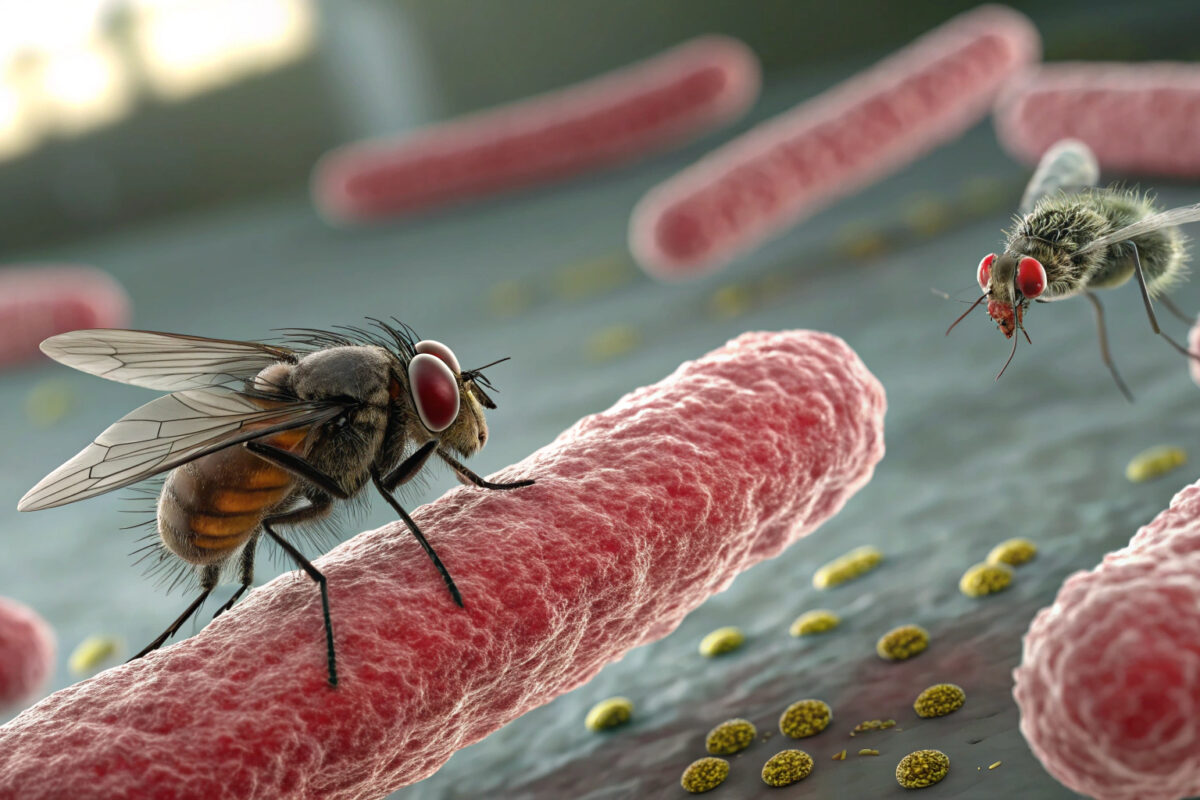
A study published in Scientific Reports by researchers from the University of Sassari investigated how spore surface proteins of Brevibacillus laterosporus contribute to its ability to infect and kill insects .

This bacterium, known for its antimicrobial properties and effectiveness against invertebrate pests, produces a unique spore coat and canoe-shaped parasporal body (SC-CSPB) structure surrounding its spores. Using proteomic analysis and bioassays with house flies, the researchers identified four key proteins – ExsC, CHRD, CpbA, and CpbB – that function as insect virulence factors.

The study found that virulence increases during bacterial sporulation, reaching its peak when spores are fully formed. Among the identified proteins, CpbA showed the strongest association with insect mortality and was expressed at higher levels during sporulation. These proteins appear to work together as part of a larger system of toxins and virulence factors that enable B. laterosporus to infect its insect hosts effectively .

Understanding the role of these spore proteins provides valuable insight into how bacterial pathogens evolve to overcome insect immune defenses – knowledge that could support the development of natural biocontrol strategies in agriculture.
Harnessing Trichoderma harzianum to Strengthen Barley Against Drought 

Multifaceted role of Trichoderma harzianum isolates in mitigating drought stress and promoting adaptive responses in barley cultivars

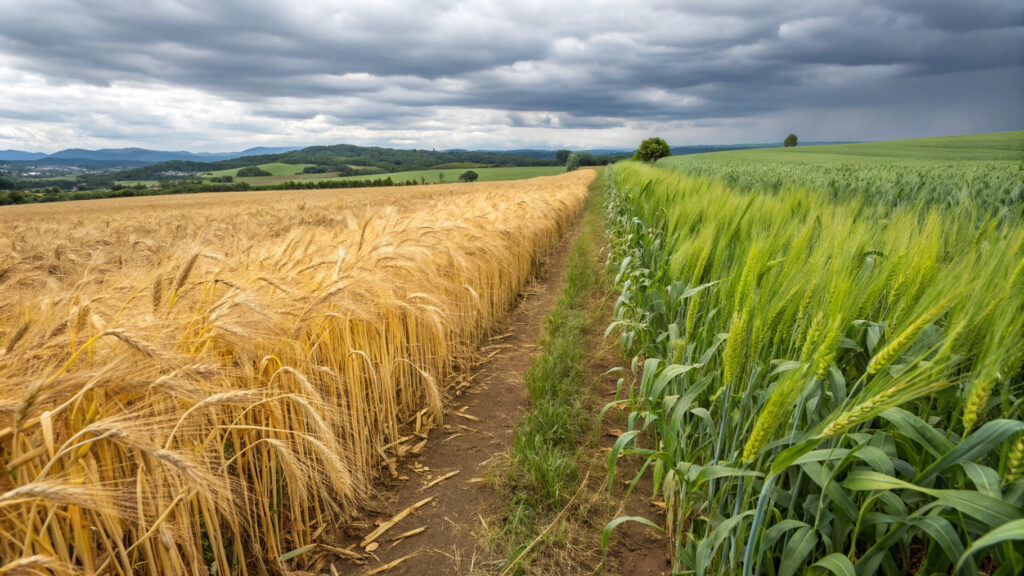
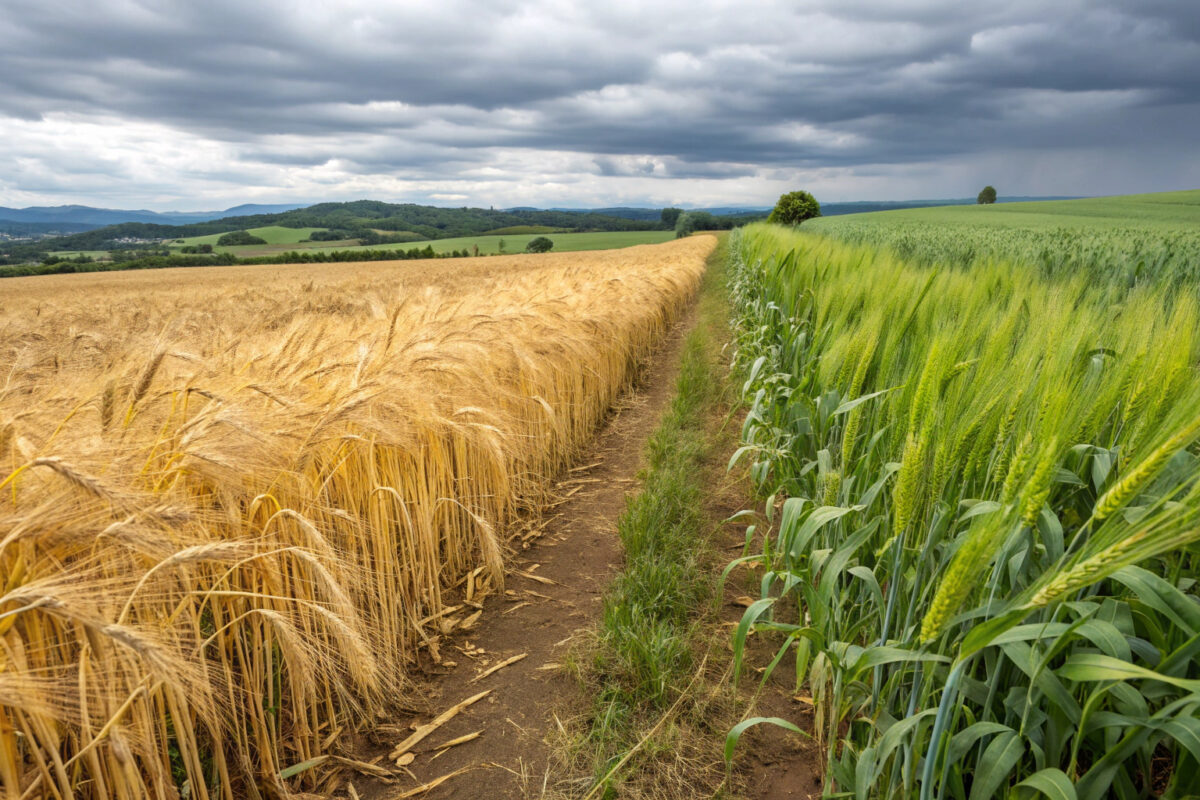
A 2025 study published in Scientific Reports by researchers from Alzahra University and the University of Tehran explored how biopriming barley seeds with beneficial fungi – specifically two isolates of Trichoderma harzianum – can significantly improve drought tolerance in cereal crops .

The study compared the effects of a wild-type strain (TW) and a gamma-ray mutant strain (TM) on two barley cultivars: Goharan (naturally drought-tolerant) and Nosrat (drought-sensitive). Plants were subjected to varying drought stress levels using polyethylene glycol (PEG 6000) solutions.

Results showed that bioprimed plants exhibited improved growth, biomass, and stress resilience compared to untreated controls. The TM strain, in particular, restored over 50% of the biomass typically lost under severe drought, enhanced auxin (IAA) production, and boosted the activity of key antioxidant enzymes and respiratory pathways such as SOD, POX, PPO, and MDH .

Additionally, the treatments improved chlorophyll content, soluble sugars, and protein accumulation – key physiological traits linked to photosynthesis and osmotic regulation. These benefits were observed across both cultivars, with TM showing stronger overall effects.

The findings highlight the potential of Trichoderma-based seed treatments as a sustainable, biological strategy to mitigate drought impacts in barley and possibly other cereal crops – reducing reliance on chemical inputs while improving yield stability.

Boosting ‘Orri’ Mandarin Yields with Gibberellin Treatments

Gibberellin Treatment toward off-crop season as a practical tool to increase yield in “Orri” Mandarin

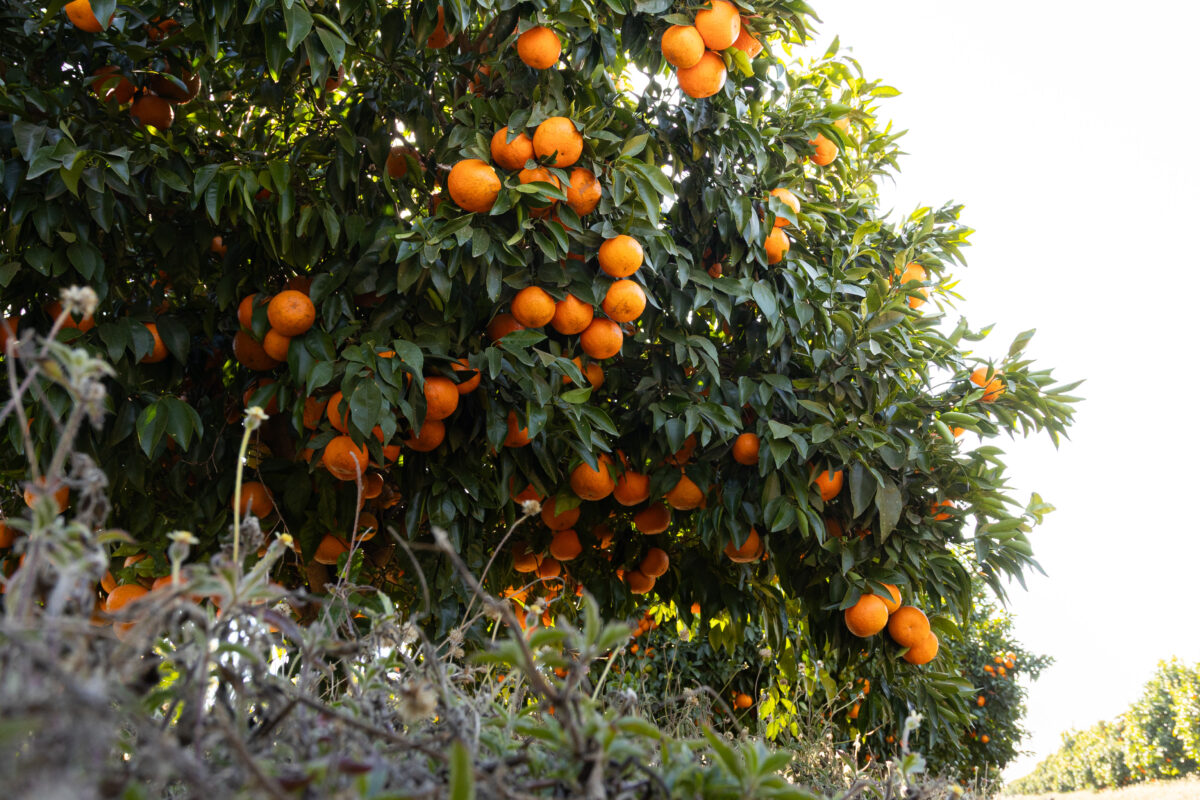
A recent study published in HortScience (Vol. 60, Issue 2, 2025) by researchers from the Volcani Center and the Hebrew University of Jerusalem explored how mild gibberellin (GA₃) treatments can help increase yields in ‘Orri’ mandarintrees during off-crop years.

‘Orri’ mandarins, like many citrus cultivars, experience irregular bearing cycles- years of heavy fruit loads (on-crop) often followed by years of reduced yields (off-crop). This research investigated whether low-frequency, low-concentration GA₃ applications during winter could help stabilize yields by promoting more mixed-type inflorescences– the leafy flowering structures most responsible for fruit production.

The findings revealed that trees treated with 25 ppm GA₃ twice in December showed an average 40% increase in fruit number and total yield during off-crop seasons, without negatively affecting fruit size. Importantly, no yield change was observed during on-crop years, suggesting the treatment’s value lies in improving productivity specifically during low-bearing cycles.

These insights suggest that carefully timed gibberellin applications may serve as a practical tool to reduce alternate bearing and improve profitability for citrus growers- particularly those managing ‘Orri’ mandarin orchards.